Industrial Compression Springs: Precision Engineering & Custom Manufacturing
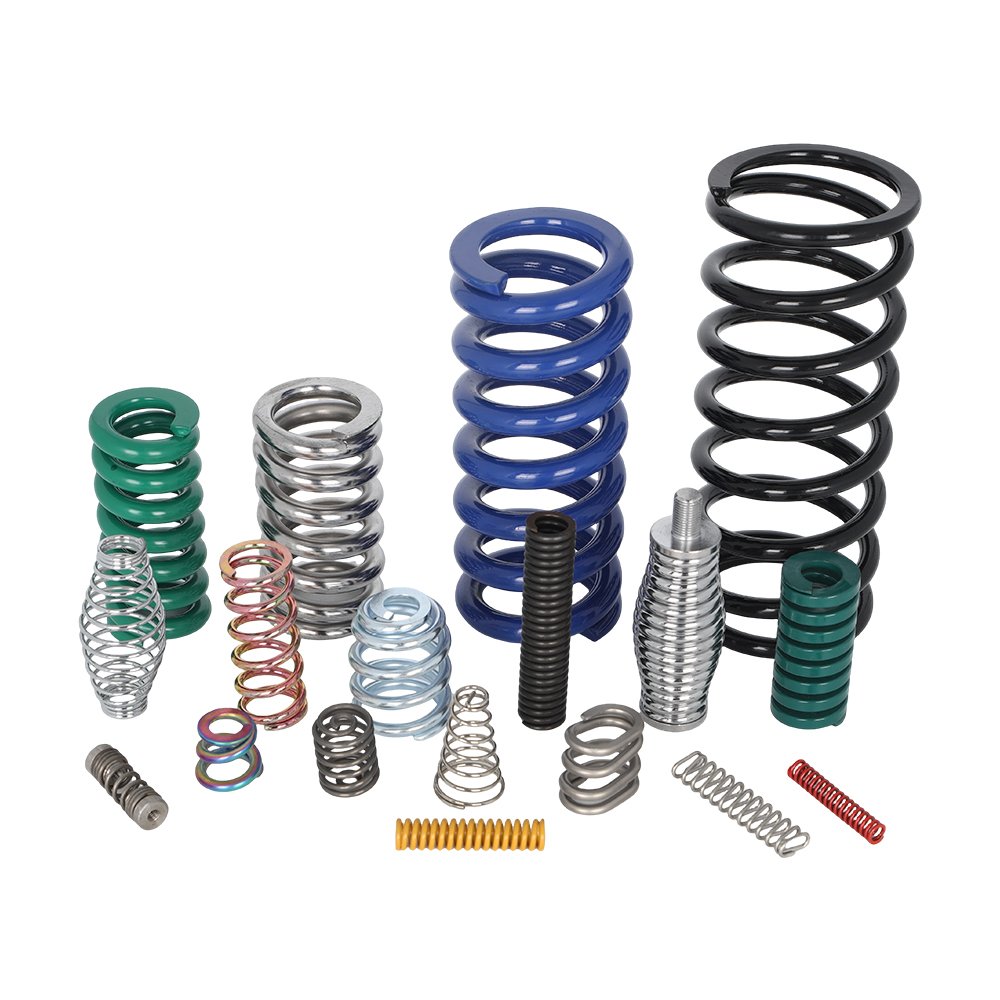
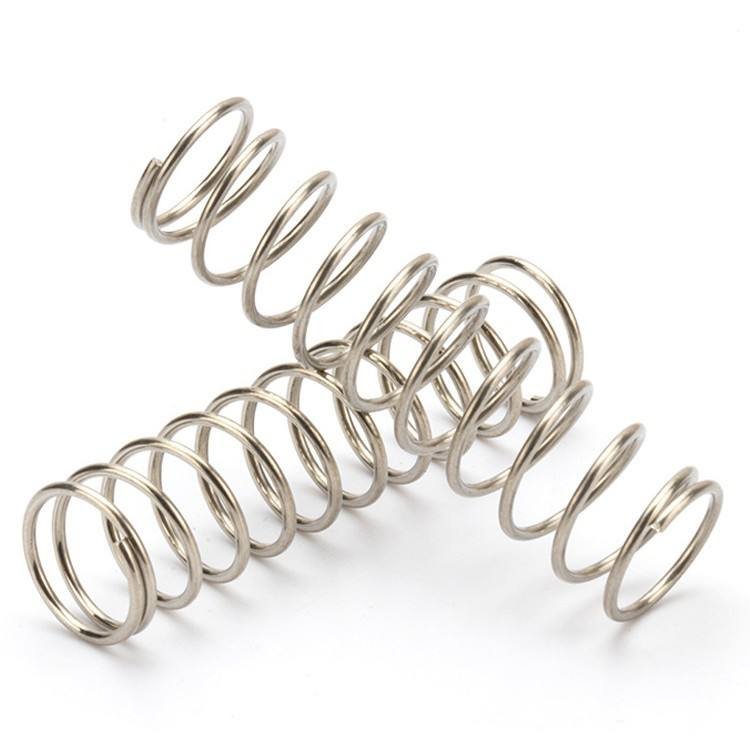
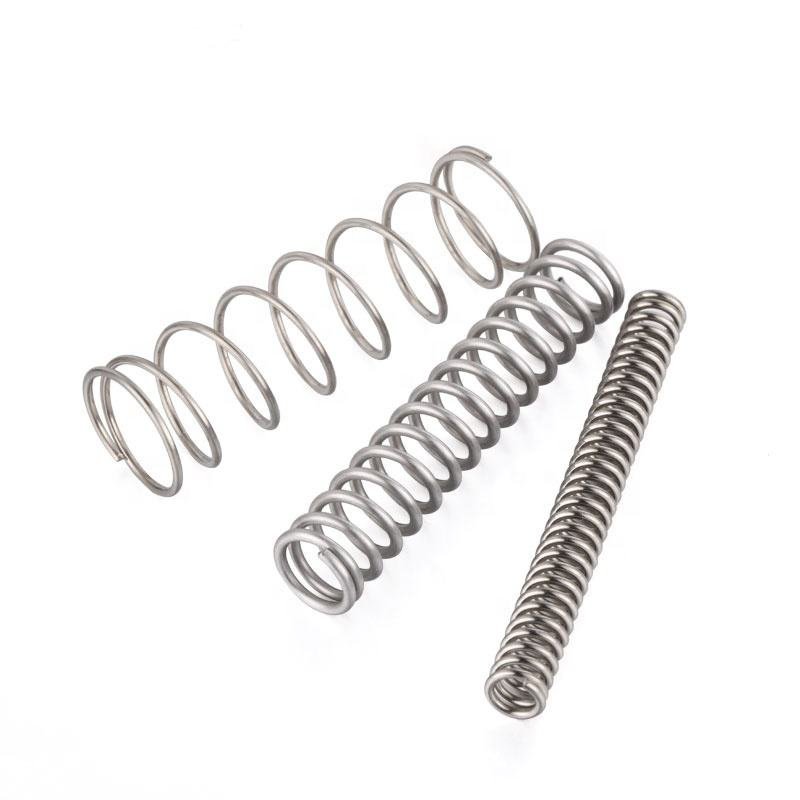
Compression Springs are the backbone of mechanical energy storage. As the most widely used type of helical spring, they are designed to operate with a compressive load, squeezing the coils together to store energy and provide a return force. At [Your Brand Name], we specialize in high-performance springs that maintain their structural integrity under millions of cycles.
1. Advanced Material Science for Every Environment Compression Springs
Selecting the right wire is critical for spring longevity. Our catalog includes an extensive range of metallurgical options:
- High-Carbon Spring Steels: Music wire and hard-drawn steel offer the best cost-to-performance ratio for dry, indoor applications.
- Corrosion-Resistant Alloys: Stainless Steel 316 is our standard for marine and food processing, while 17-7PH provides superior strength for aerospace components.
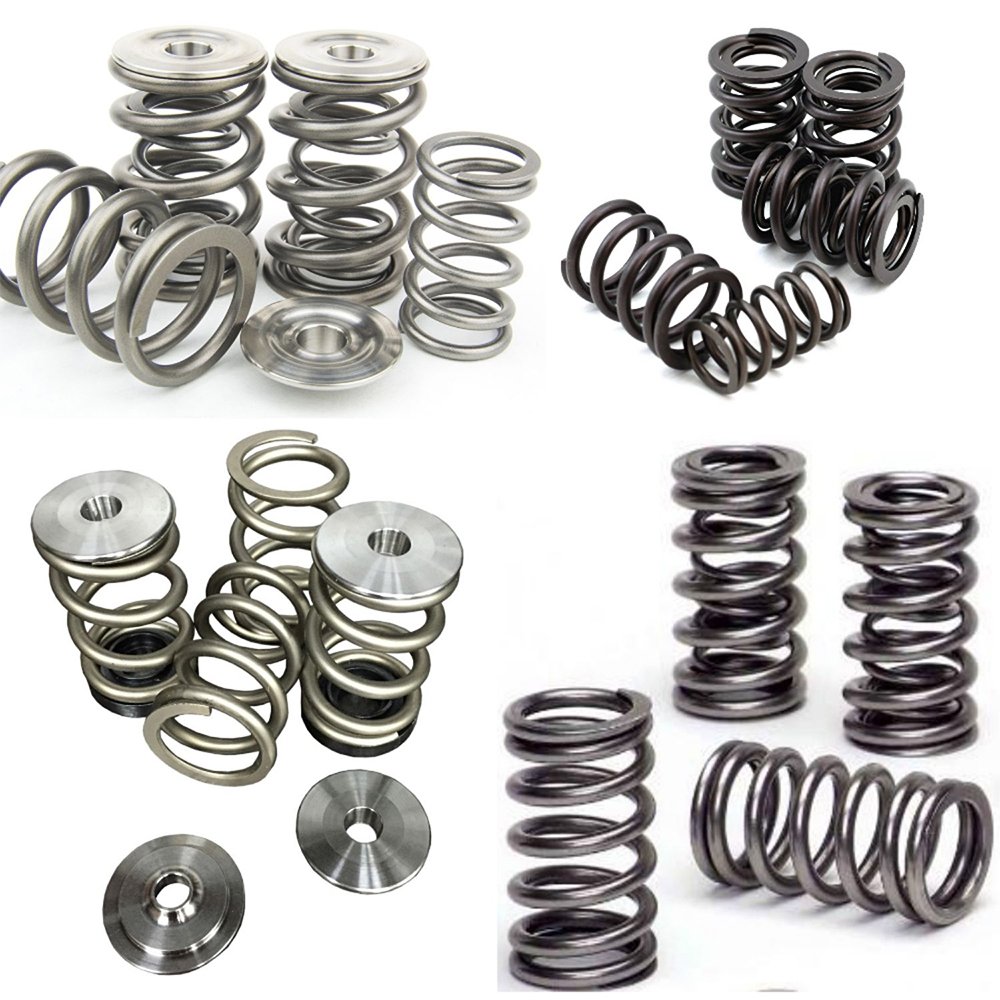
- High-Temperature Alloys: For oil & gas or engine valves, we utilize Inconel X750 and Chrome Silicon to withstand temperatures exceeding 500°F (260°C).
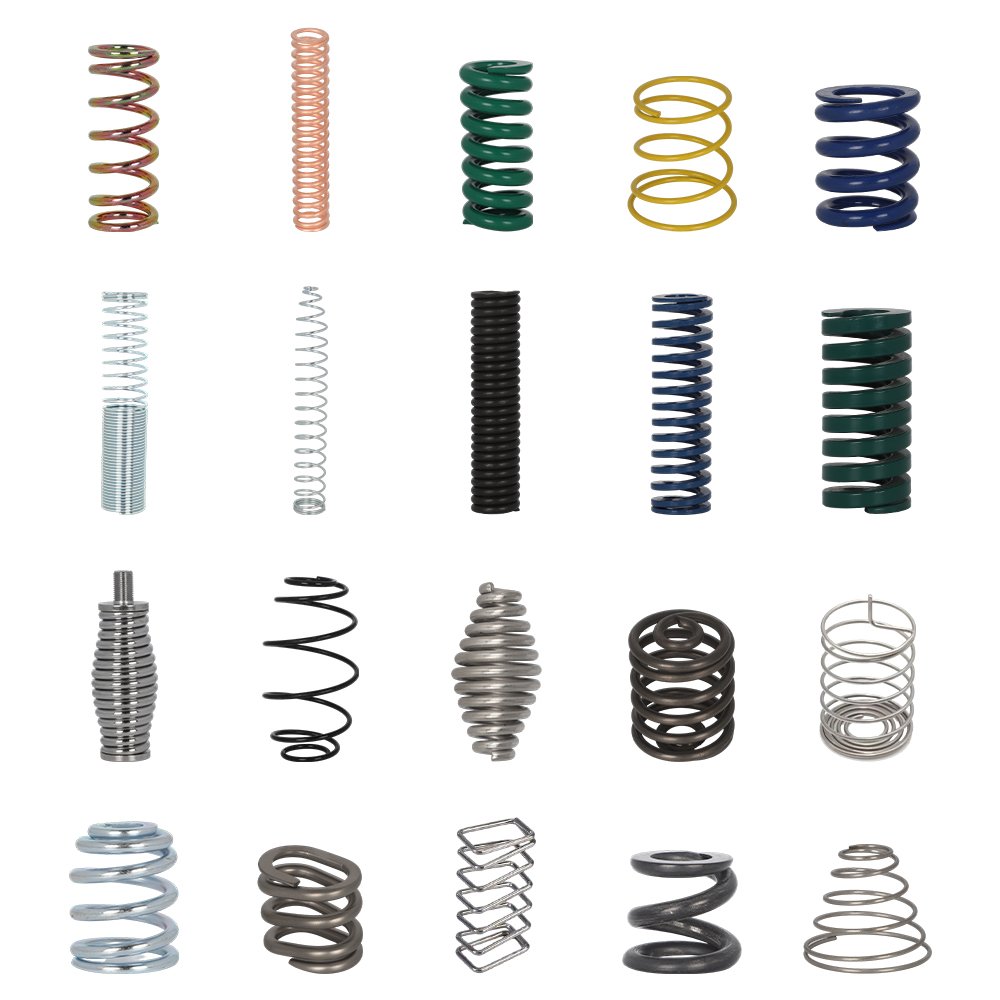
2. Diverse Configuration & Shape Options
Not all spaces are created equal. We offer various geometric designs to fit your housing requirements:
- Cylindrical Springs: The industry standard for constant spring rates.
- Conical (Tapered) Springs: Feature a “telescoping” effect where coils nest inside each other, allowing for a shorter solid height.
- Variable Pitch Springs: Engineered to provide a progressive spring rate—the further you compress it, the stiffer it becomes.
3. Critical Design Parameters Table Compression Springs
| Technical Parameter | Standard Options | SEO Keyword Relevance |
|---|---|---|
| Direction of Helix | Right-hand (Standard) or Left-hand | Custom Helix Springs |
| Solid Height | Precision Calculated to avoid binding | Small Solid Height Springs |
| Spring Rate (K) | 0.01 N/mm to 5000+ N/mm | Heavy Duty Spring Rate |
| Load Tolerance | Standard ±10% (Precision ±2% available) | Precision Load Testing |
4. Industry-Specific Applications
Our compression springs are trusted across global industries:
- Automotive: Suspension systems, clutch springs, and valve springs.
- Medical Devices: Miniature springs for surgical tools and diagnostic equipment (using 316SS or Gold plating).
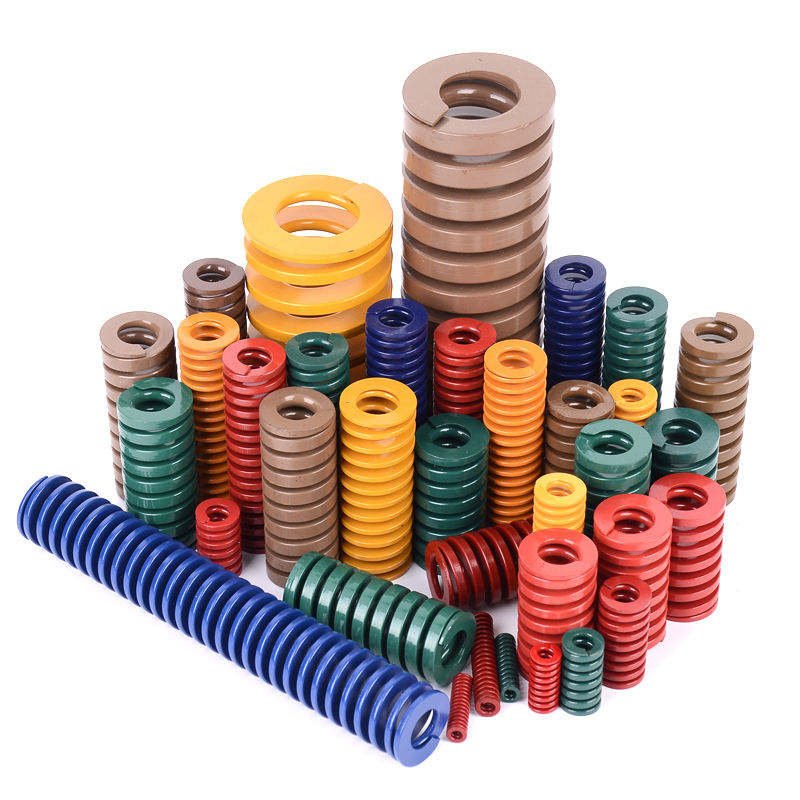
- Industrial Equipment: Heavy-duty die springs for stamping presses and vibration isolation.
- Consumer Goods: Everything from ballpoint pens to power tools and kitchen appliances.
Need a Technical Consultation?
Our engineers can assist with Spring Design Optimization to prevent fatigue failure and reduce costs.
Frequently Asked Questions (Expanded)
Q: What is the benefit of “Shot Peening” a compression spring?
A: Shot peening is a cold-working process that introduces compressive residual stress. This significantly increases the fatigue life of the spring, making it suitable for high-frequency dynamic applications.
Q: How does “Solid Height” affect my design?
A: Solid height is the length of the spring when it is compressed until all coils are touching. Designing with a safety margin (at least 10% of total travel) is essential to prevent permanent deformation.
Q: Can you provide material certifications and test reports?
A: Yes, we provide full traceability including Mill Test Reports (MTR), Load Test Certification, and RoHS/REACH compliance documents upon request.
Q: What is the difference between “Closed” and “Ground” ends?
A: “Closed” means the last two coils touch, while “Ground” means the ends are sanded flat. Combining both (Closed & Ground) provides the best squareness and load distribution.