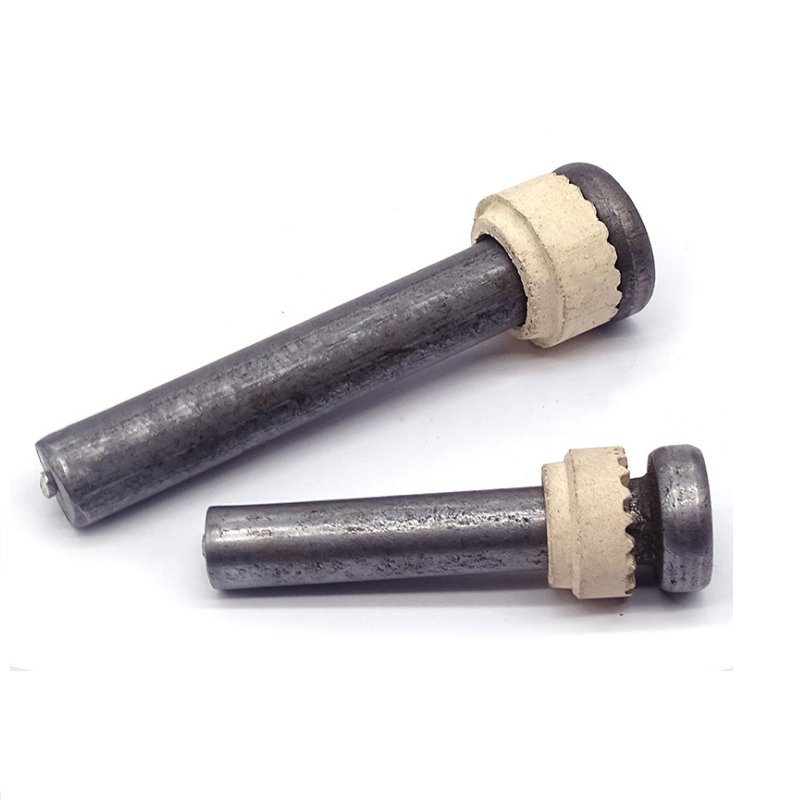
High-Performance Headed Shear Stud Connectors for Composite Construction
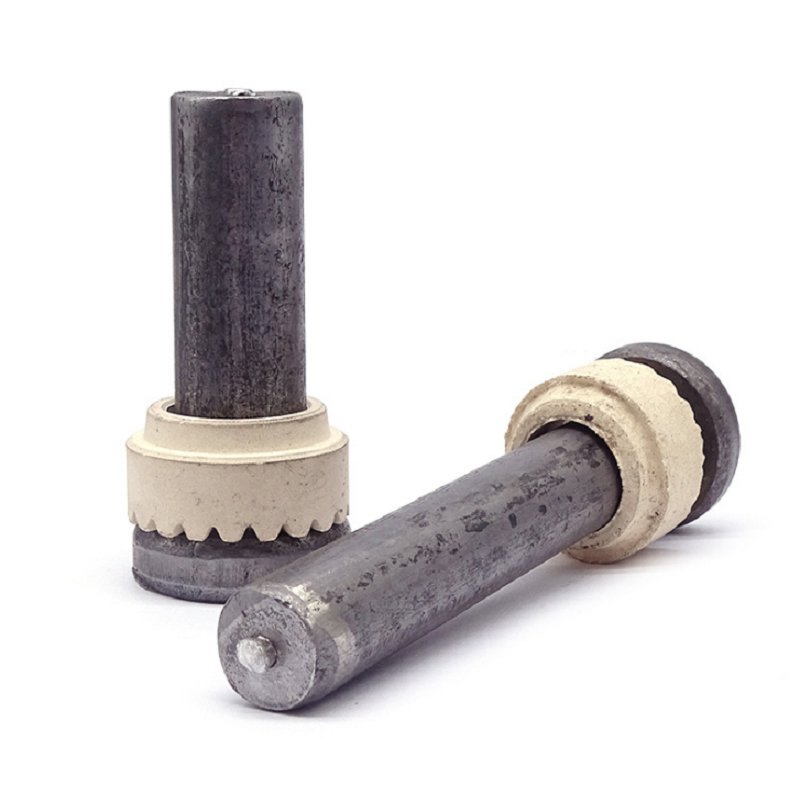
Our Shear Studs (also known as headed shear connectors) are engineered to provide a high-strength mechanical bond between steel beams and concrete slabs. In modern structural engineering, achieving “composite action” is critical, and our studs ensure that these two materials function as a single, robust unit. By transferring horizontal shear forces, they significantly enhance the load-bearing capacity and stiffness of any structural system.
Key Features and Material Excellence
As a leading shear stud manufacturer, we prioritize material integrity. Our products are cold-headed from high-quality low-carbon steel, typically ASTM A108 Grade 1010-1020. This material choice ensures superior weldability and the necessary ductility to withstand seismic loads and vibrations without structural fatigue.
- Superior Weldability: Designed for rapid arc stud welding, ensuring a fusion zone stronger than the stud itself.
- International Standards: Fully compliant with ISO 13918, AWS D1.1, and ASTM A108 technical requirements.
- High Tensile Strength: Minimum tensile strength of 450 MPa and yield point of 350 MPa for maximum safety.
- Corrosion Resistance: Available in self-color, zinc-plated, or stainless steel options for diverse environments.
Technical Specifications: Diameter, Length, and Grades
Precision is vital in construction. We offer a wide range of shear connector sizes to meet your specific project blueprints. Common diameters include 13mm, 16mm, 19mm, 22mm, and 25mm (equivalent to 1/2″ through 1″). Standard lengths range from 50mm to over 300mm.
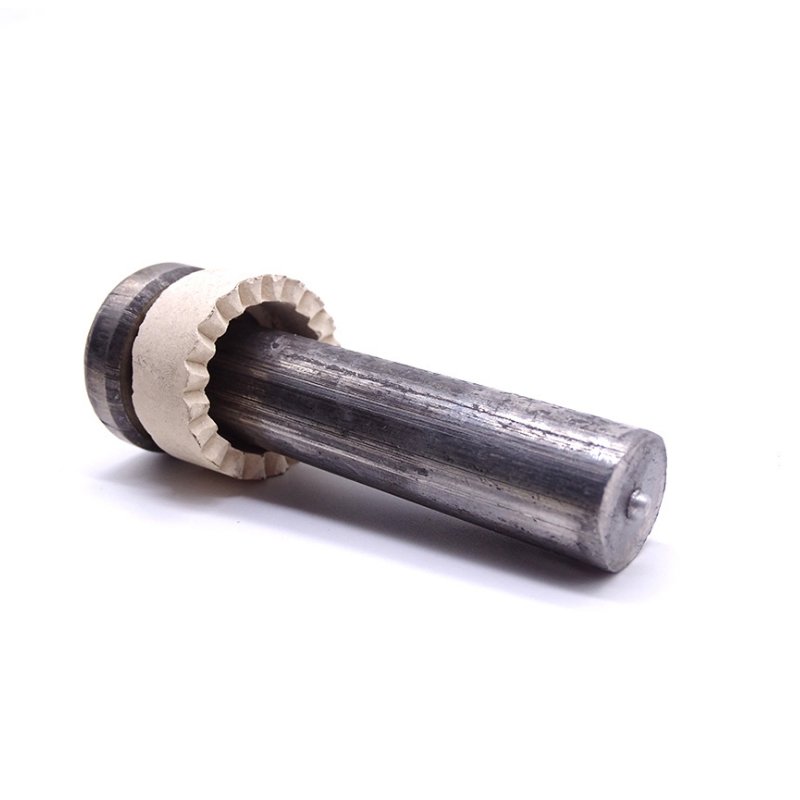
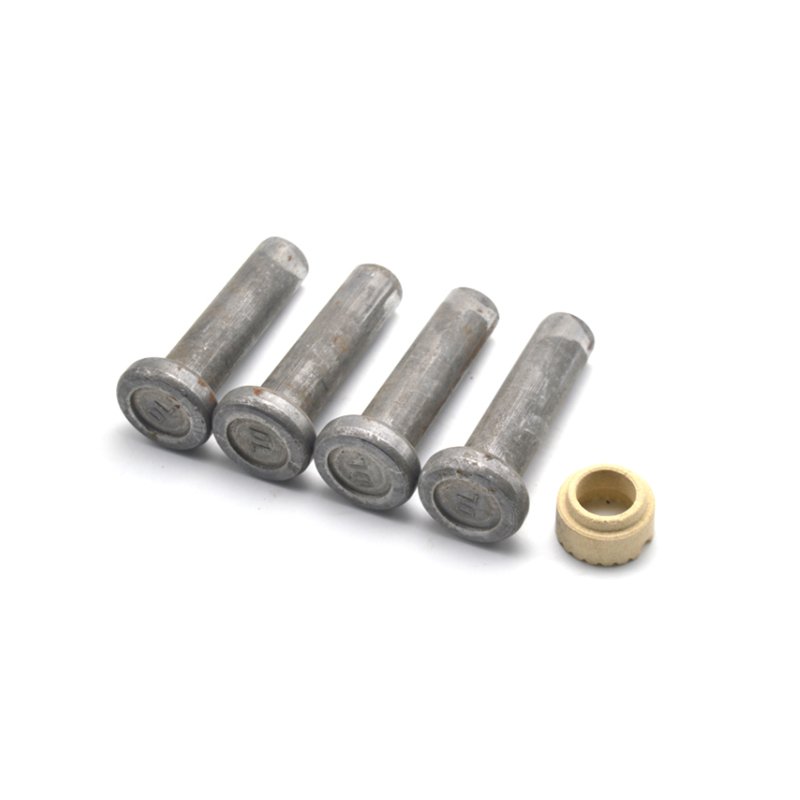
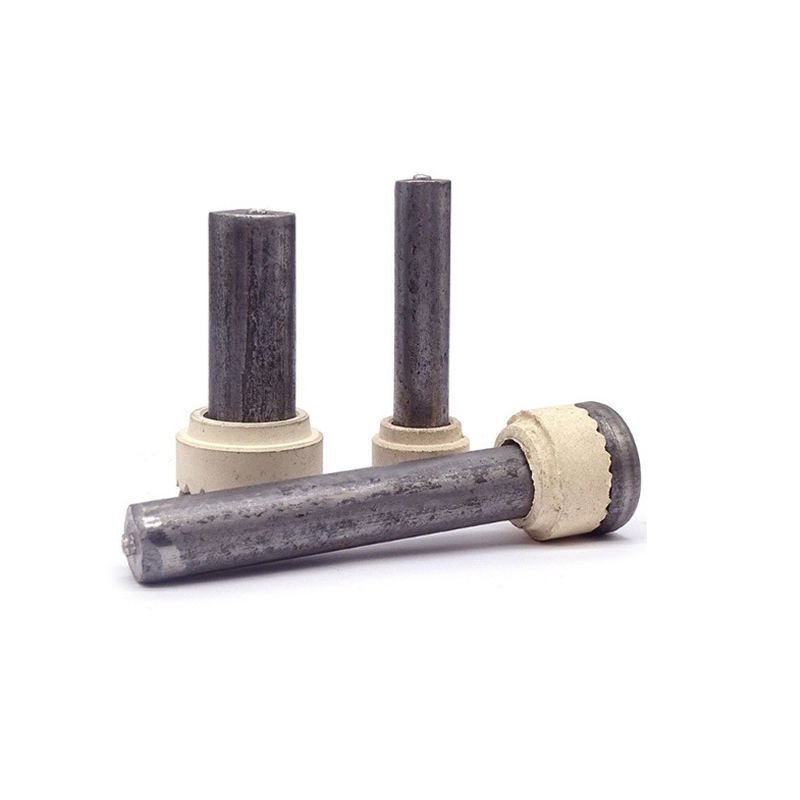
Each headed stud is supplied with a matching ceramic ferrule (arc shield), which is essential for concentrating the heat during the welding process and shaping the weld fillet for a clean, professional finish.
Wide Range of Applications in Infrastructure
The versatility of our Nelson-style shear studs makes them the go-to choice for various global industries:
- Bridge Construction: Anchoring concrete decks to steel girders to prevent slippage under heavy traffic.
- High-Rise Buildings: Integrated into steel decking systems to create rigid, vibration-resistant floor slabs.
- Industrial Power Plants: Used in boiler structures and heavy machinery foundations to handle extreme stress.
- Multi-Storey Car Parks: Enhancing the structural efficiency of long-span composite beams.
The Stud Welding Process (Step-by-Step)
To achieve the best results with our weld studs, a professional stud welding gun is used. The process is efficient and reliable:
- Preparation: The stud is loaded into the gun and a ceramic ferrule is placed at the base.
- Arc Ignition: The gun triggers an electric arc that melts the base of the stud and the surface of the steel beam.
- The Plunge: The stud is automatically plunged into the molten metal pool.
- Solidification: The metal cools instantly, creating a permanent, high-strength metallurgical bond.
Quality Control and Global Export
Before any batch of headed shear studs leaves our facility, they undergo rigorous Quality Assurance (QA) testing. This includes 180-degree bend tests to verify weld integrity, tensile testing, and chemical composition analysis. We provide MTC (Mill Test Certificates) with every shipment.
We offer seaworthy packaging in reinforced steel drums or wooden crates, ensuring your shear connectors arrive in perfect condition at any port worldwide. Whether you are a distributor or a construction firm, we provide competitive shear stud prices and fast lead times.