Heavy-Duty Railway Fishplates: Ensuring Seamless Track Connectivity
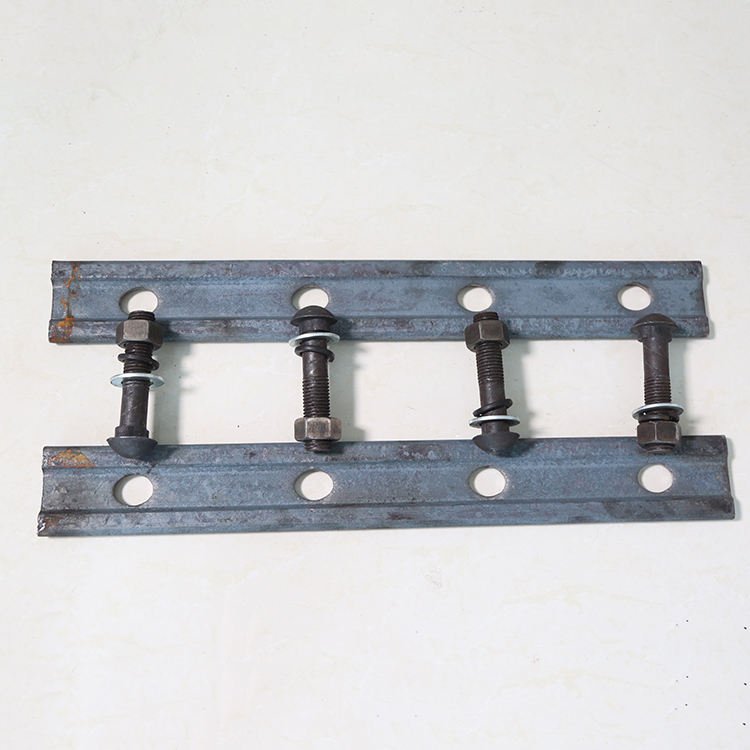
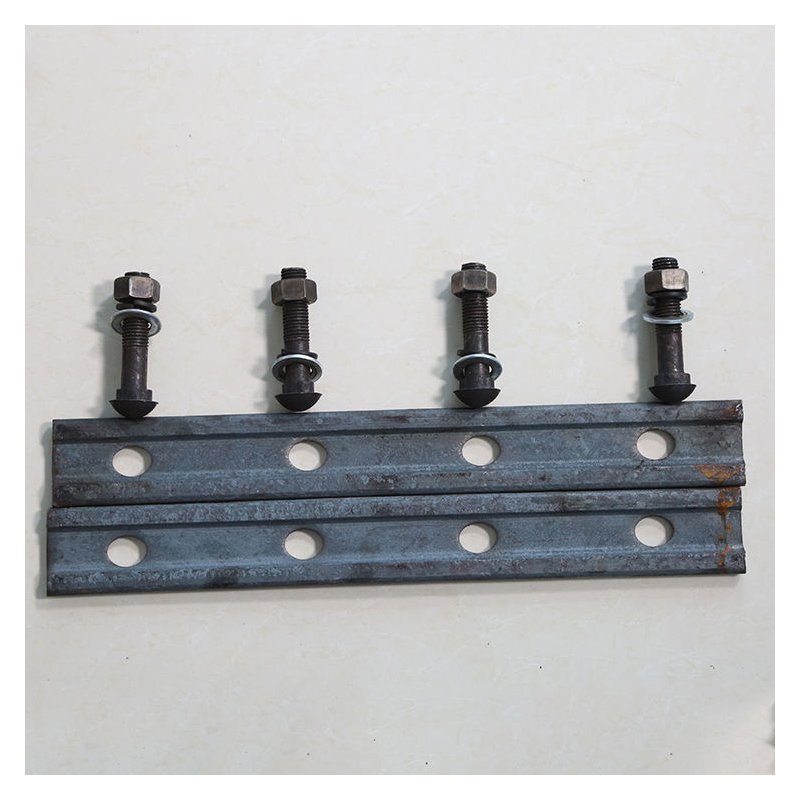
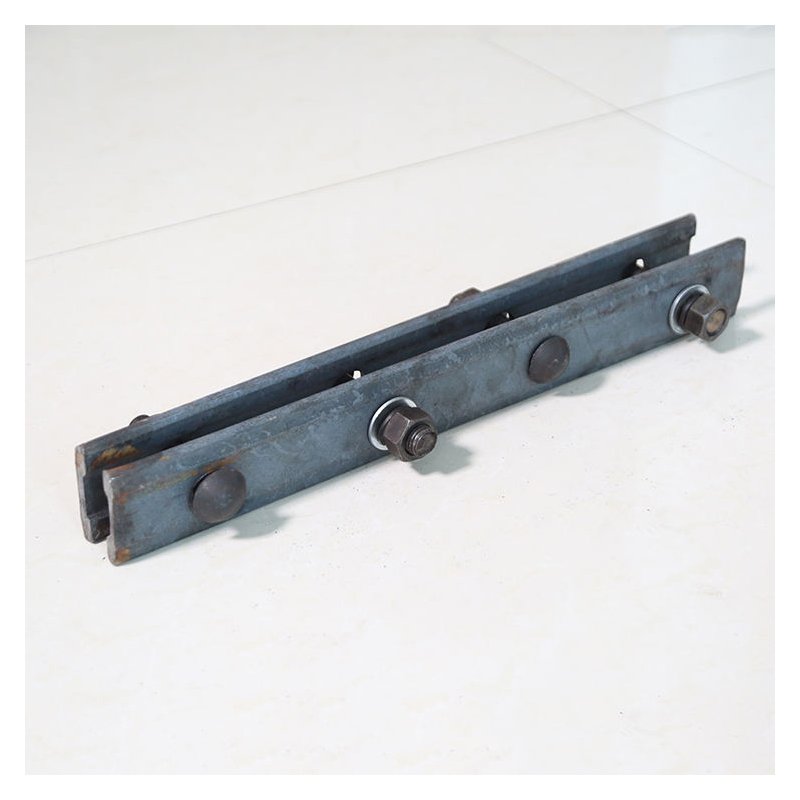
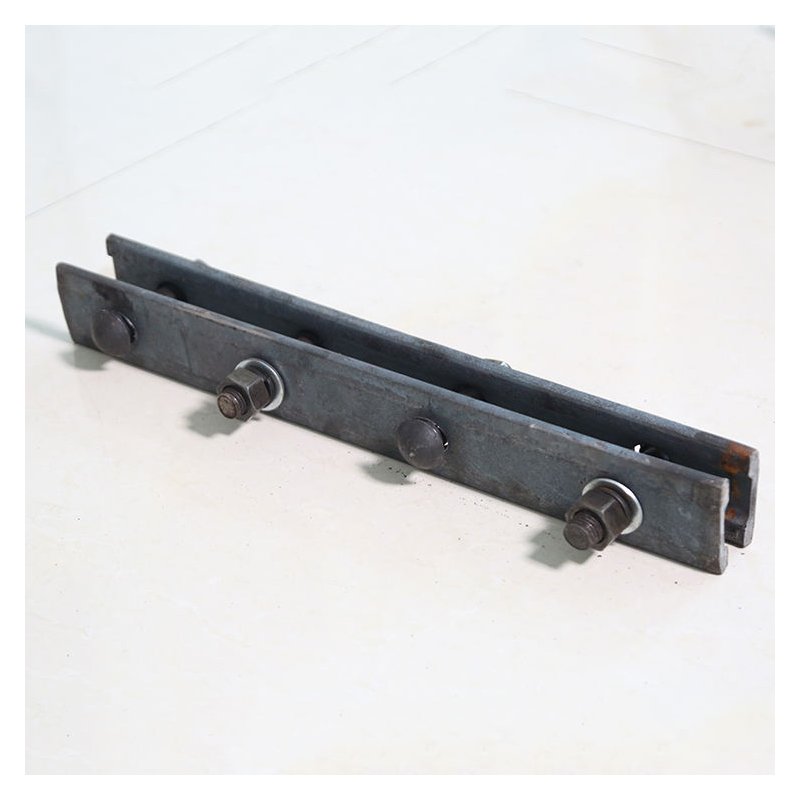
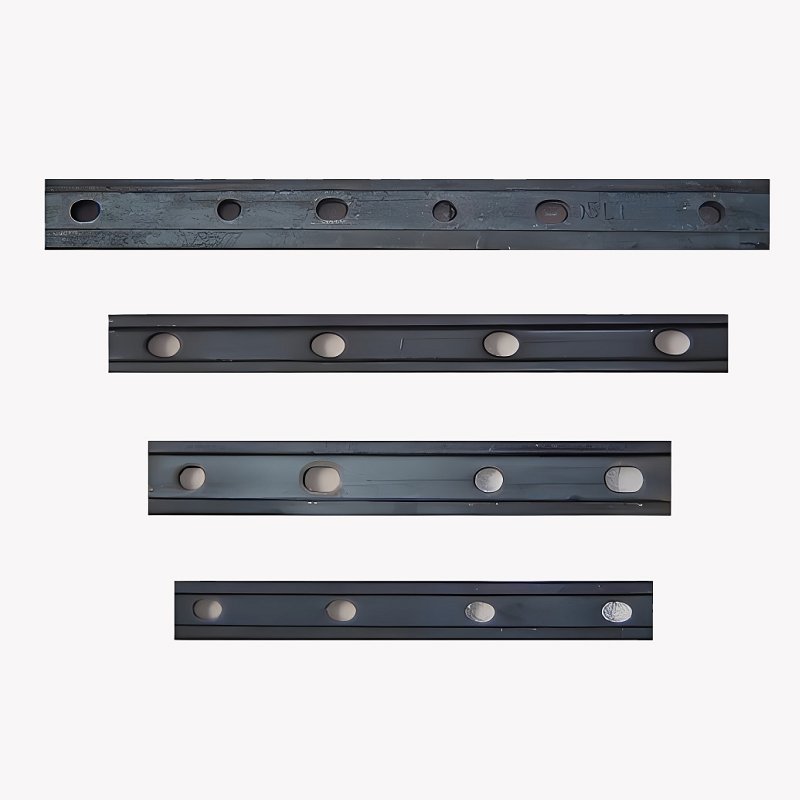
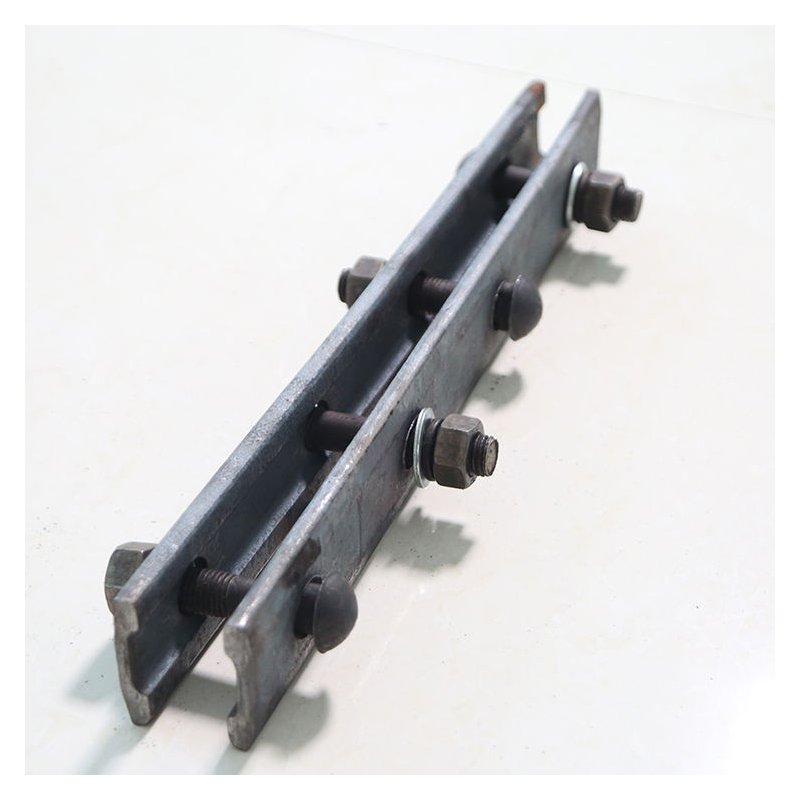
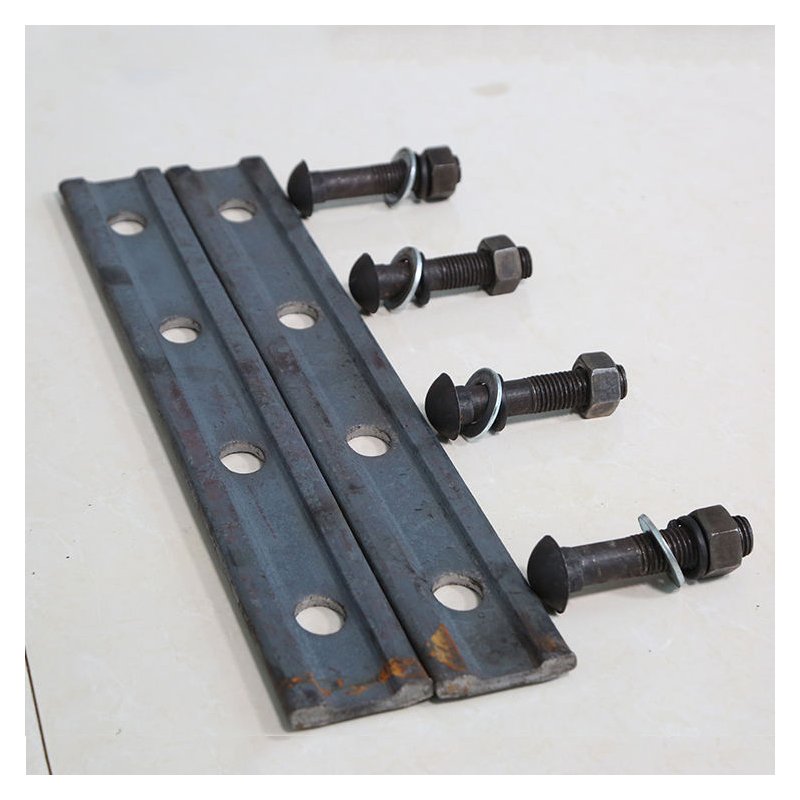
Railway Fishplates, commonly referred to as Rail Joint Bars, are critical safety components in permanent way engineering. Their primary function is to hold the ends of two rails together, maintaining the continuity of the running surface and resisting vertical and lateral loads. At [Your Brand Name], we utilize high-precision rolling and forging technologies to ensure our fishplates provide a perfect fit and long-term reliability.
1. Diverse Standards for Global Railway Infrastructure
We provide rail joint solutions that meet the diverse technical requirements of different regions and track speeds:
- UIC Standard: Widely used in Europe and Southeast Asia (e.g., UIC54, UIC60 profiles).
- AREMA Standard: The benchmark for North American heavy-haul freight railroads (e.g., 115RE, 132RE).
- BS Standard: British Standard fishplates for classic railway networks (e.g., BS75R, BS80A).
- Insulated Joints: Specialized for track circuits and signaling systems to prevent electrical flow between rail sections.
2. Advanced Manufacturing & Quality Control
Safety is paramount in railway components. Our manufacturing process involves strict metallurgical controls:
- Material Sourcing: We use high-quality steel with specific carbon and manganese content for optimal toughness.
- Precision Punching: CNC-controlled hole punching ensures accurate bolt alignment, reducing stress concentration.
- Heat Treatment: Quenching and tempering processes are applied to achieve the required hardness and tensile strength.
3. Technical Specifications Table
| Rail Profile | Fishplate Length | No. of Holes | Applicable Standard |
|---|---|---|---|
| UIC 60 | 820mm / 610mm | 4 or 6 | UIC 864-4 |
| 115 RE | 24″ / 36″ | 4 or 6 | AREMA 2010 |
| 50 kg / m | 790mm | 6 | GB/T 185 |
| BS 80A | 18″ | 4 | BS 47 |
Looking for Railway Fastening Systems?
We supply complete sets including Fish Bolts, Nuts, and Spring Washers for a one-stop procurement experience.
Frequently Asked Questions (FAQ)
Q: What is a Joggled Fishplate?
A: A Joggled fishplate (or bulge fishplate) is designed for tracks with welded joints that have cracks. The “bulge” allows the fishplate to fit over the weld reinforcement while providing emergency support to the rail.
Q: Can you customize hole patterns for specific track projects?
A: Yes. We can customize the hole diameter, spacing, and shape (round or oval) based on your technical drawings.
Q: What surface treatment is best for coastal railway lines?
A: For high-corrosion environments, we recommend bitumen coating or specialized anti-rust painting to extend the service life of the joint bars.
Q: Do you provide Compromise Fishplates?
A: Yes. Compromise fishplates are used to connect two different rail sections (e.g., connecting a 60kg rail to a 50kg rail) while maintaining a smooth running surface.