Precision Torsion Springs: Engineered Torque & Rotational Performance
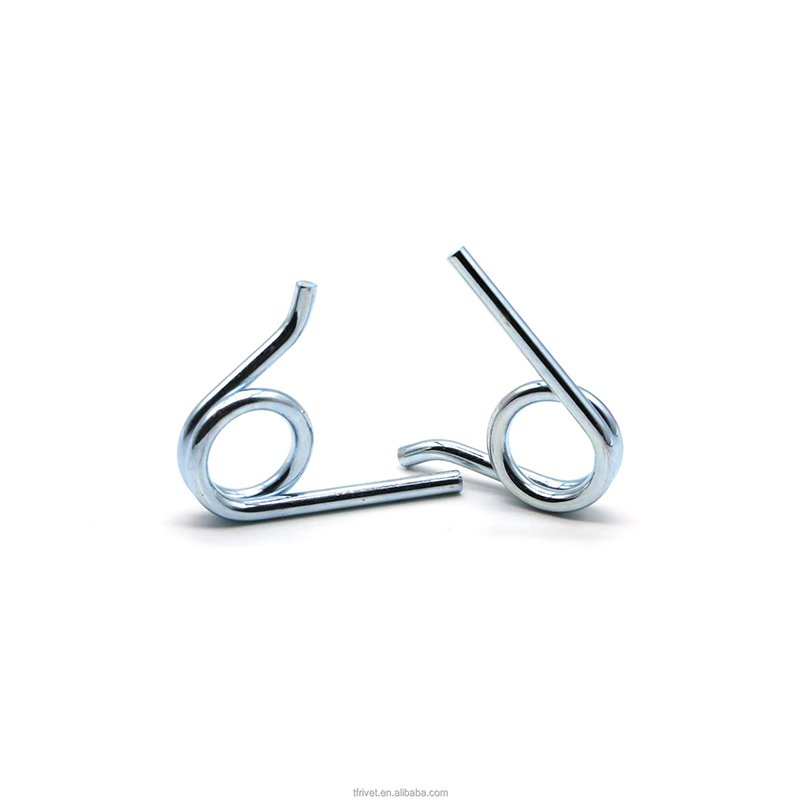
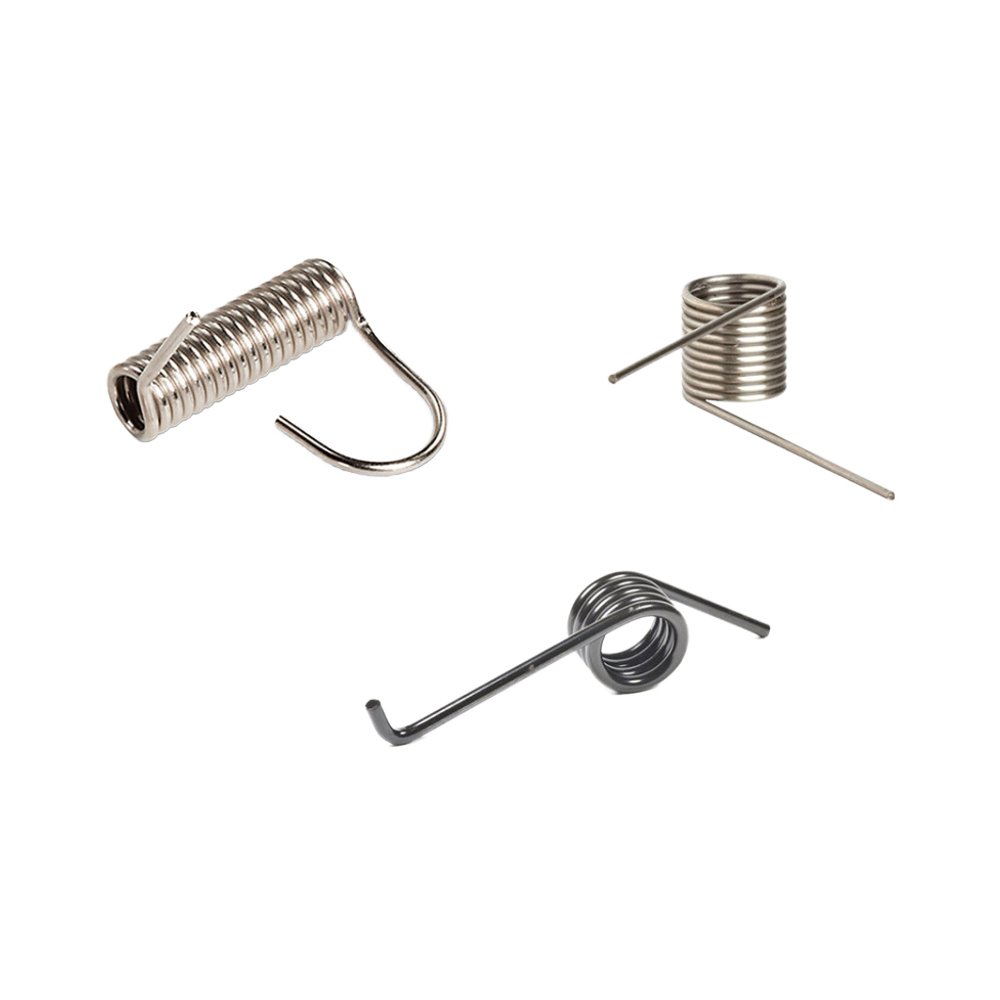
Torsion Springs are helical springs designed to exert torque or rotational force. When the ends are rotated around the spring’s axis, the spring stores energy and exerts a force proportional to the amount of rotation. At [Your Brand Name], we manufacture high-performance torsion springs that offer linear torque rates and exceptional fatigue life for demanding mechanical assemblies.
1. Comprehensive Leg Design & Customization
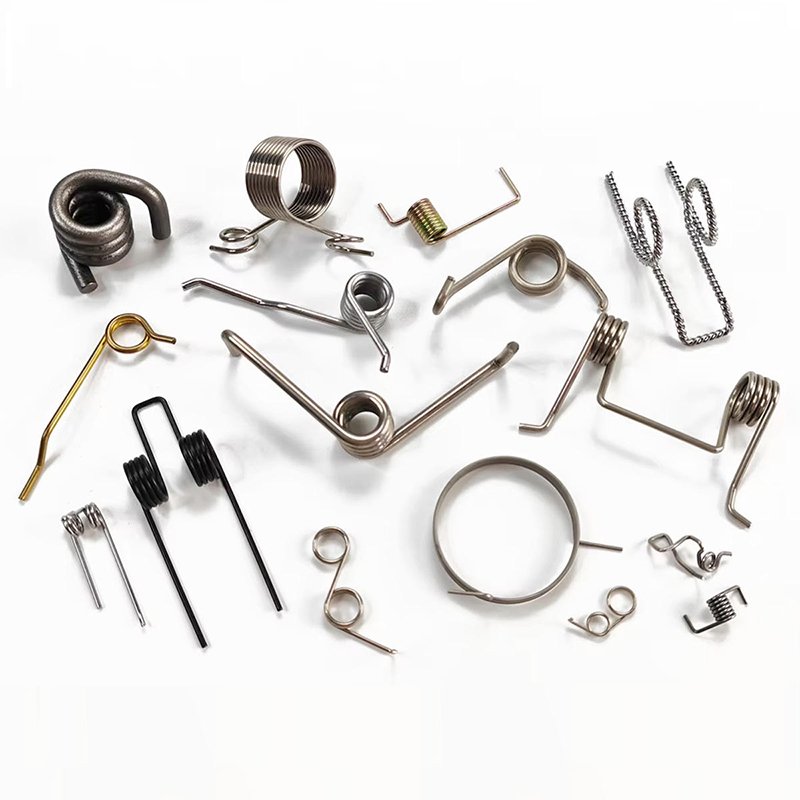
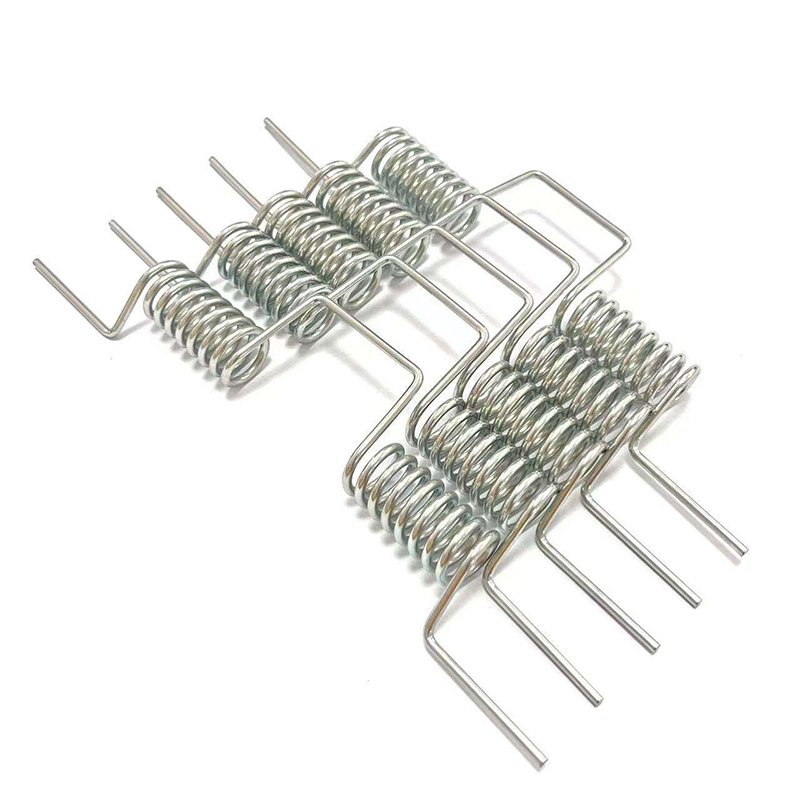
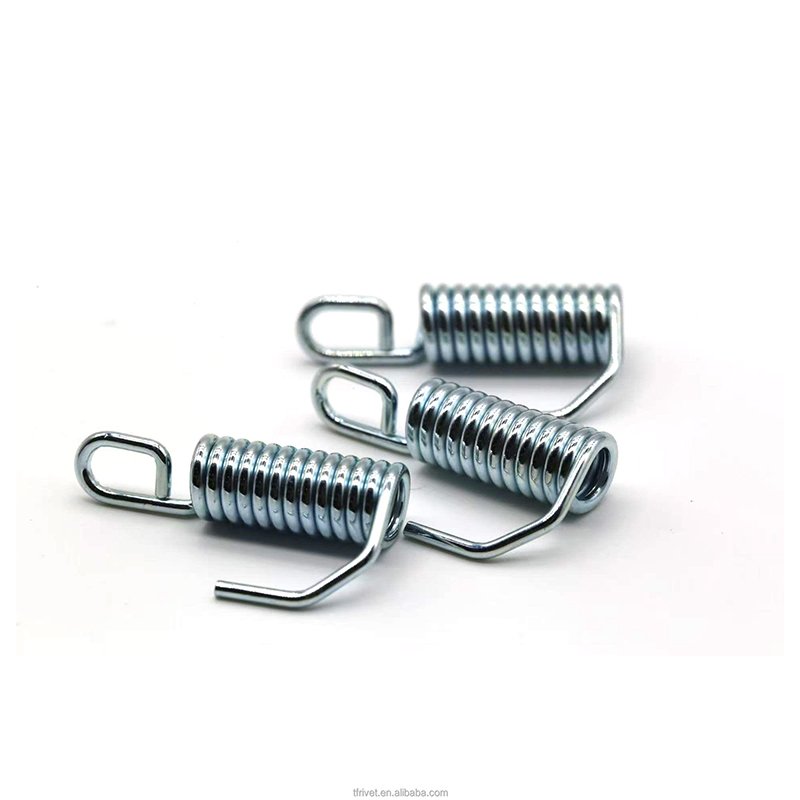
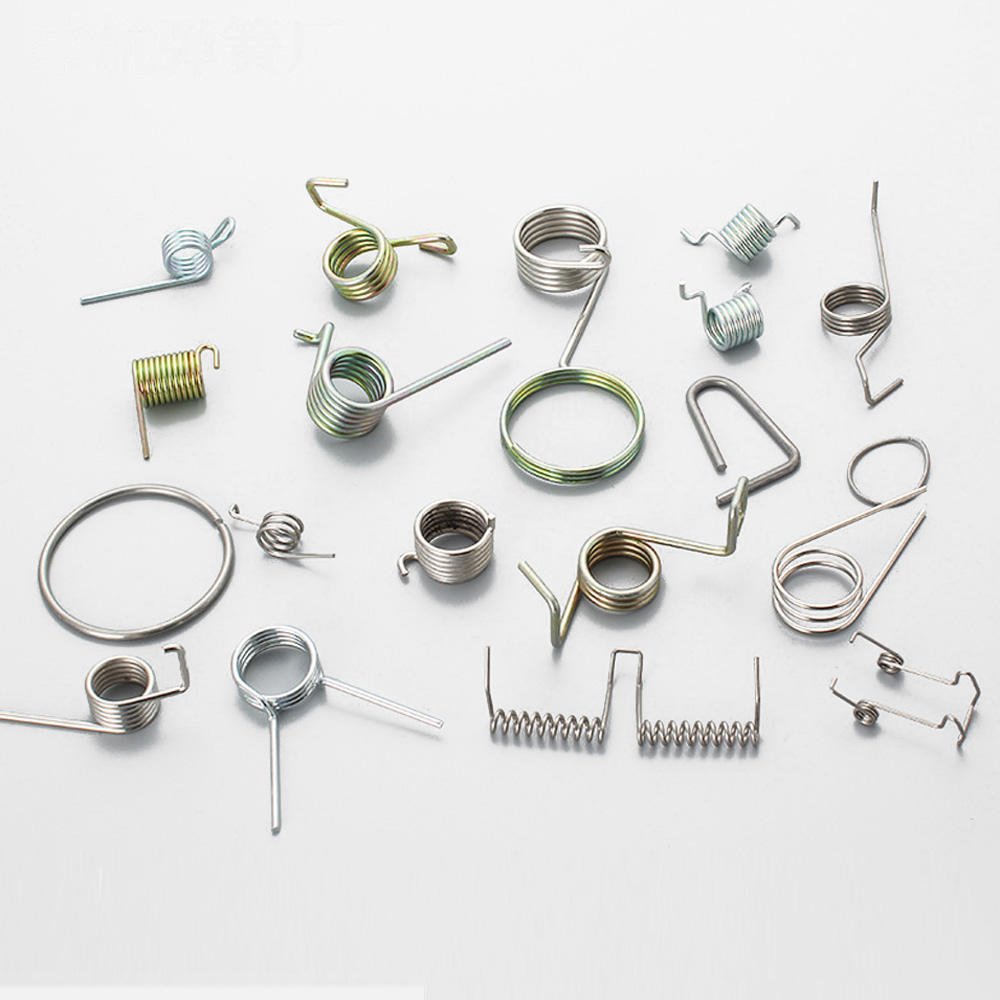
The functionality of a torsion spring is defined by its leg configuration. We provide advanced forming capabilities to match your specific housing and mounting requirements:
- Straight Legs: The standard design for simple pivot points.
- Straight Offset: Legs are offset from the coil body to clear obstructions.
- Hinged/Hooked Ends: Specialized ends to snap into place or anchor to a secondary component.
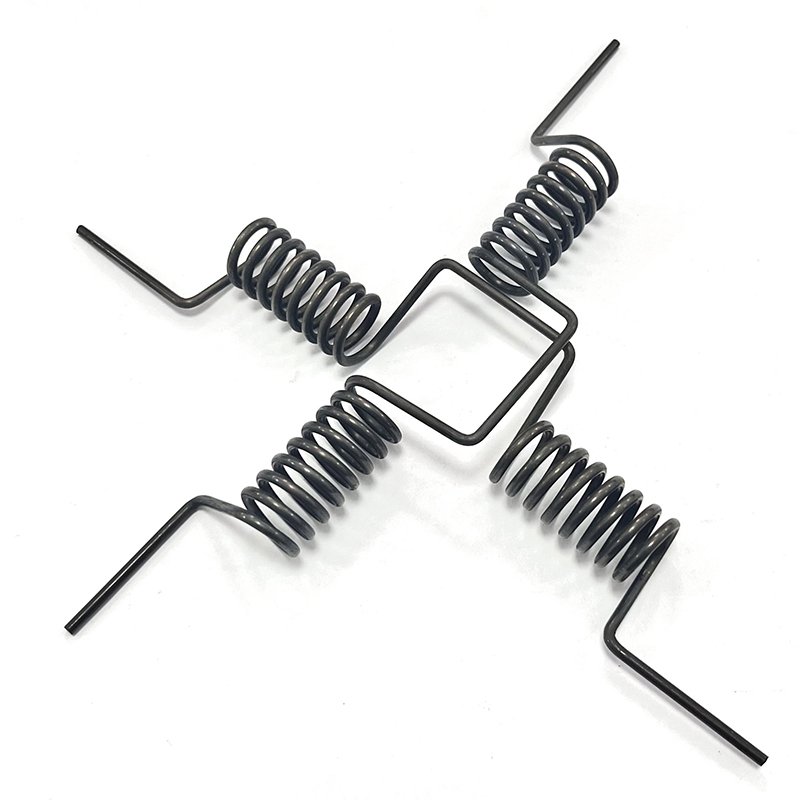
- Double Torsion Springs: Consisting of one right-hand and one left-hand coil section connected, doubling the torque for balanced applications.
2. High-Performance Materials for Extreme Duty
We select materials based on your operating environment and cycle requirements. Our CNC coiling ensures zero-defect production for:
- Fatigue-Resistant Steels: Music wire and Chrome Silicon for high-cycle industrial tools.
- Corrosive Environments: Stainless Steel 316 and Passivated finishes for medical or marine exposure.
- Heat Stability: Specialized alloys that maintain torque consistency at elevated temperatures.
3. Technical Engineering & Parameters Table
| Technical Metric | Available Options | Design Importance |
|---|---|---|
| Active Coils | 1 to 100+ Coils | Determines angular deflection |
| Leg Angle | 0°, 90°, 180°, 270°, or Custom | Defines the relaxed state |
| Mandrel Size | Custom Clearance | Prevents binding during rotation |
| Torque Rate (R) | N-mm/degree | Calculated for precision control |
Optimize Your Torsion Spring Design
Avoid common failures like “coil binding” or “leg fatigue.” Speak with our engineers today for a Free Design Review.
Frequently Asked Questions (FAQ)
Q: Should I choose a Right-Hand or Left-Hand wind?
A: A torsion spring should always be wound in the direction that “tightens” the coils during operation. Winding in the opposite direction will cause the spring to fail prematurely.
Q: What is a “Double Torsion” spring?
A: It is a single spring with two sets of coils (one clockwise, one counter-clockwise) connected by a bridge. It provides twice the torque and maintains perfect balance, common in overhead doors.
Q: How do you handle leg stress in high-torque applications?
A: We use precision-radius bends and specialized heat treatment to minimize stress concentrations where the legs meet the coil body.
Q: Can you help calculate the torque for my specific angle?
A: Yes. We use advanced spring software to provide torque values at any given degree of deflection based on your wire and diameter constraints.